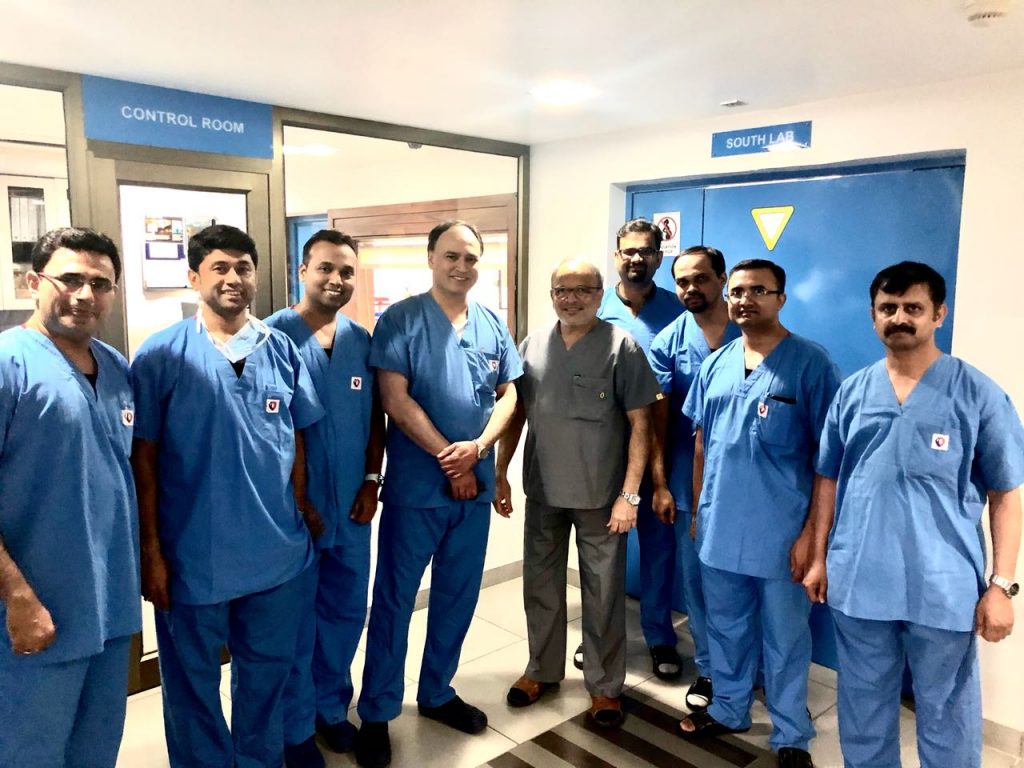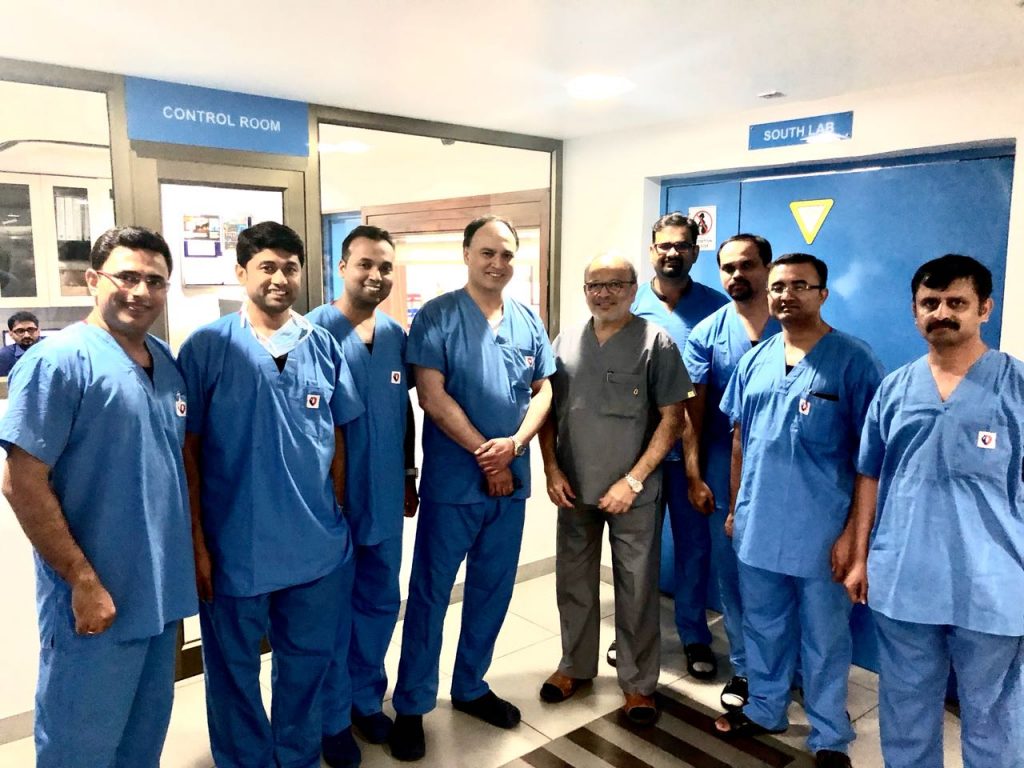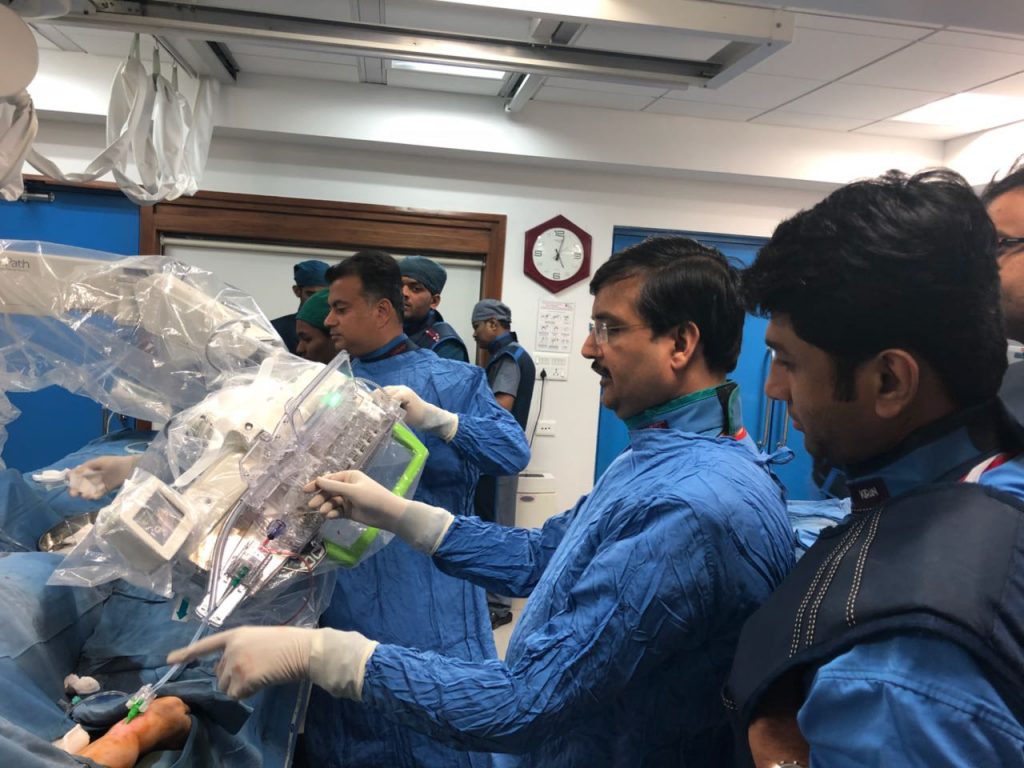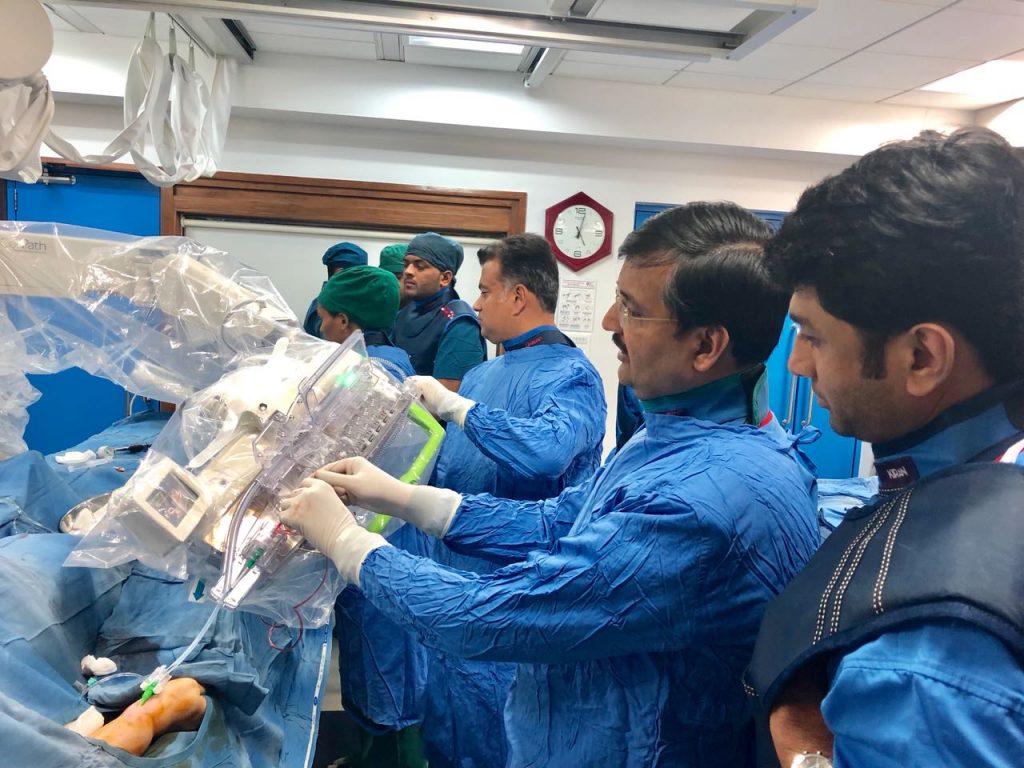
ESMR Treatment in India
Heart Blockage Treatment Without Surgery In Pune
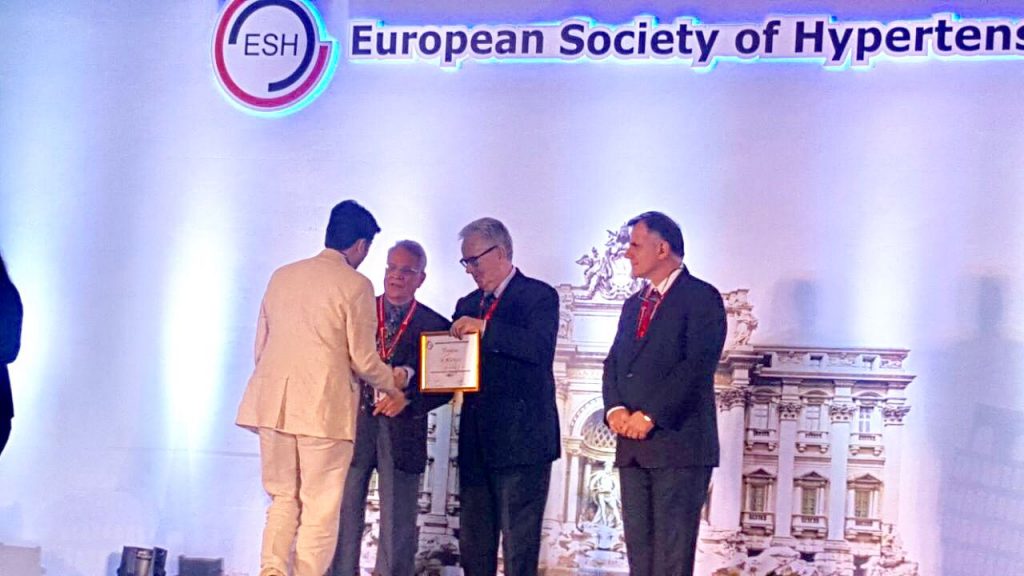
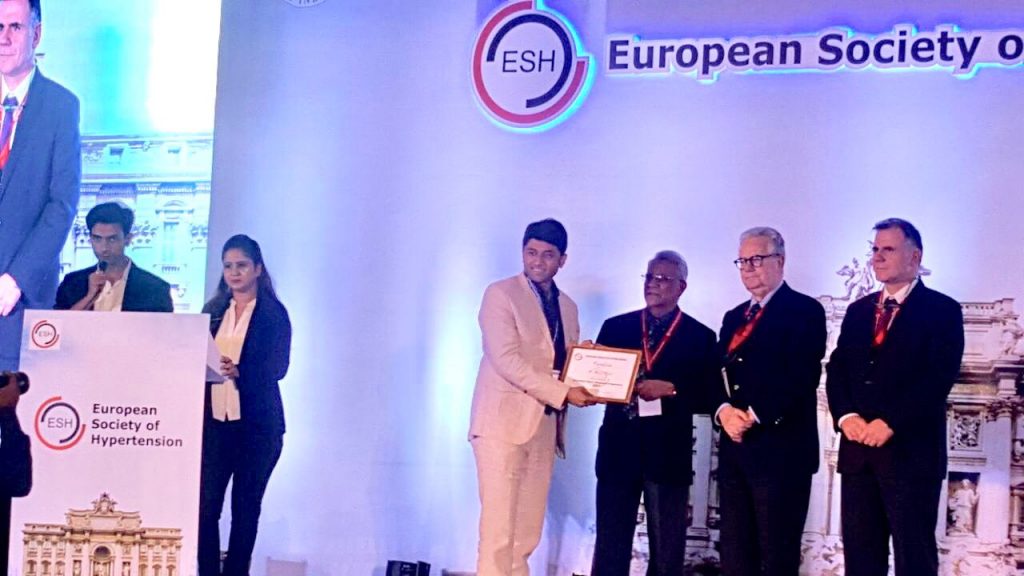
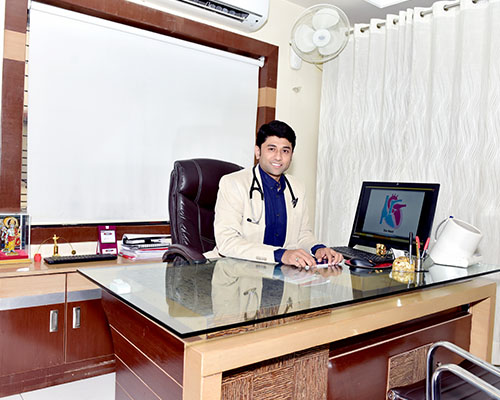
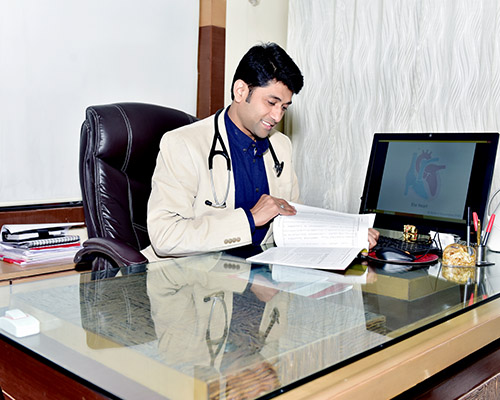
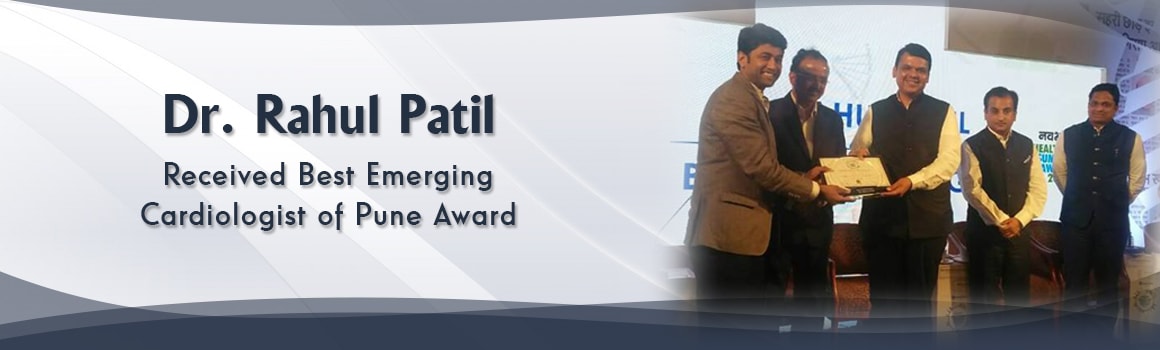
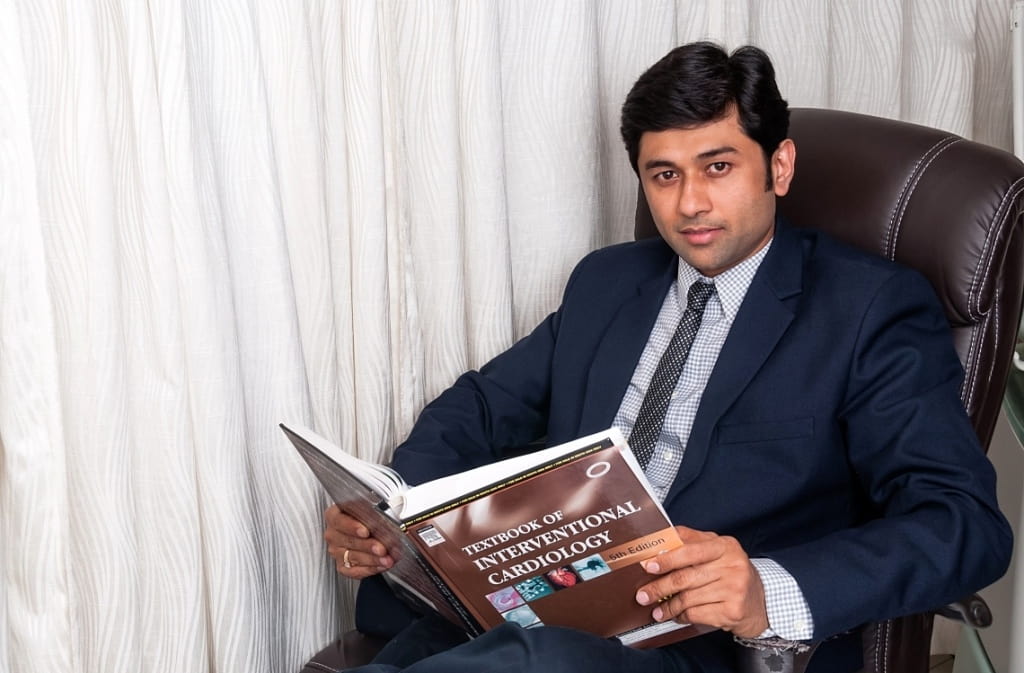
Dr. Rahul Raosaheb Patil is an accomplished Interventional Cardiologist in Pune, practicing since 2006. He is Director, Interventional Cardiology, at Hridayam Heart Care Clinic in Pune, and has also served as a Consultant Cardiologist at Ruby Hall Clinic since 2006. In addition, Dr. Patil teaches at BJ Medical College & Sassoon General Hospital, in the capacity of Assistant Professor.
Dr. Rahul Patil has introduced a new way of heart blockage treatment without surgery . With help of ESMR heart treatment without bypass surgery is possible. It is very useful in treating heart attack by removing blockage without surgery.As an Interventional Cardiologist, Dr. Rahul Patil’s main clinical focus areas are Complex Coronary Angiography, Chronic Total Occlusions, Percutaneous Aortic Valve Replacement, Cardiovascular Disease, Mitral Valvuloplasty and Coronary Artery Disease.
Heart Treatment
Why ESMR and how it works
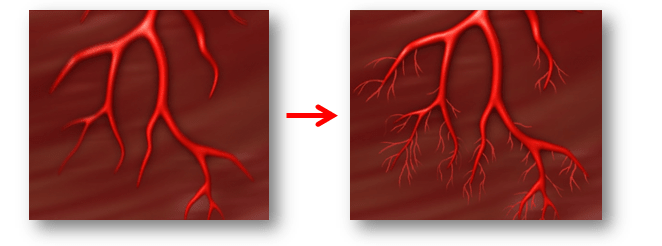
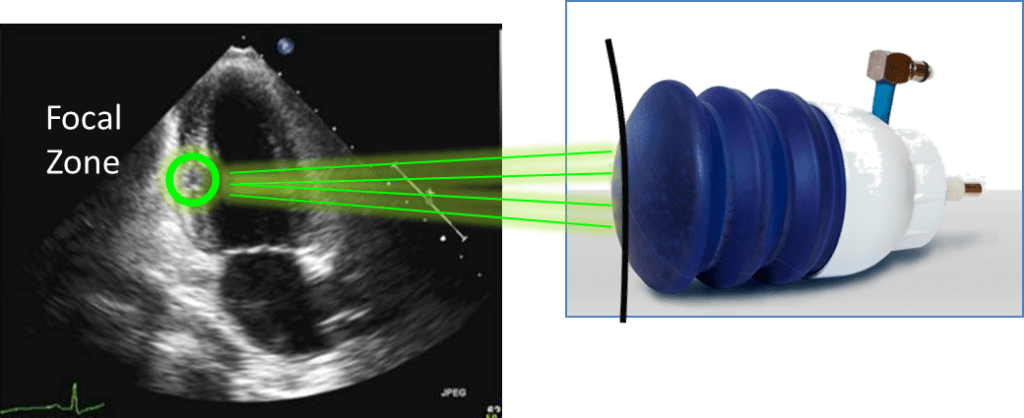
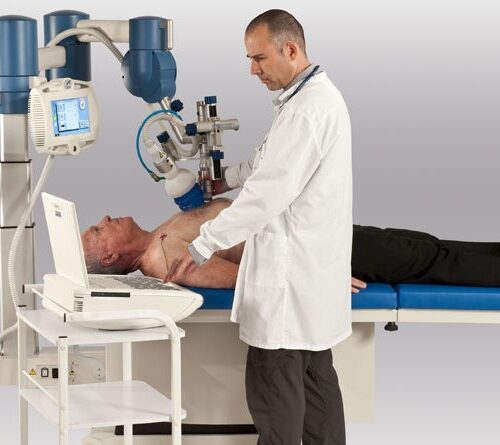
Prior to the commencement of the procedure, the exact location of the ischemic zone (treatment zone) is identified using the ultrasound imaging system. shockwaves that are mild in nature are targeted to the treatment zone through the anatomical acoustic window. These acoustic waves create shear stress on the vessel wall and stimulate the growth of new blood vessels and expand their network around the blocked arteries, which in turn enhances the quantum of blood supply to the heart and reduces the occurrences of angina.
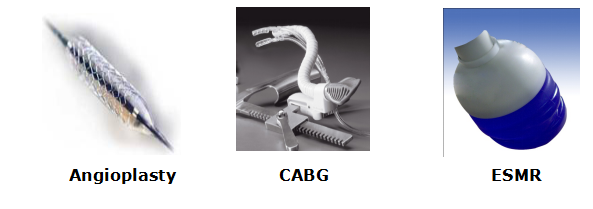
He Non-invasive treatment ESMR has a huge advantage lies in the fact that it can be successfully deployed to treat the symptoms of Ischemic myocardial areas that cannot be accessed otherwise by other therapies such as Bypass or Angioplasty. The main reason behind deploying ESMR treatment in Pune can be either due to exhaustion of all other avenues or the possibility of achieving only partial results through conventional procedures. The new ray of hope that complements the existing treatment methodologies will be offered by ESMR Treatment in India.
What is the treatment duration and strategy?
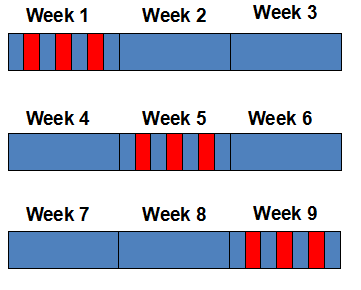
The whole treatment duration is 20-30 minutes and the patient should undergo a series of nine treatment sessions during a nine-week period. 3 treatment at first week of each month – 1st week, 5th week, 9th week.
- During the treatment you might feel a local tickling in the treatment area, accompanied by a certain degree of noise.
- Shockwave technology is presently being used in the field of Urology for breaking kidney stones and in Orthopedics for bone and soft tissue injuries.
- Unlike bypass surgery, Angioplasty and stenting procedures, ESMR is non-invasive, carries no risk, painless, no anaesthesia or sedatives required, no retreatment limitations and is an outpatients procedure and this is also Non-Surgical Treatment. Book an appointment Remove Heart Blockage Without Surgery In Pune.
Treatment Strategy
” At each treatment session, shock waves are to be delivered to the border of the ischemic area triggering the viable tissue for angiogenesis “

Treatment Characteristics
- Low energy density
- Focused area size (6mm X 6mm x 40mm)
ESMR Treatment
Extracorporeal Shockwave Myocardial Revascularization Therapy
- Unique Echocardiography based therapy
- Quick and safe treatment
- Total transmural coverage
- High success rates
- Free of side effects
- Short treatment time
WHO
are the candidates of ESMR ?
- Chronic Chest Pain (Refactory Angina).
- Having 70% – 100% blockages in angiogram.
- Reblocks after Bypass surgery or Angioplasty.
- Chronic Renal disease with heart disease, High risk cases
- medically unfit for Bypass surgery.
- Patients coronary anatomy not readily amenable for Bypass surgery.
- Inability to perform angioplasty because the target lesion is inaccesible.
- Patients not willing for surgical procedures.
- Elderly patient.
- Heart failure patient.
Extracorporeal Shockwave Myocardial Revascularization (ESMR) Therapy
- Stimulates formation of collateral blood vessels in ischemic heart tissue (myocardium)
- Enhances blood perfusion and restores cardiac function
- Reduces chest pain (angina)
Extracorporeal Shockwave Myocardial Revascularization abbreviated as ESMR has become one of the successful methodologies of non-invasive treatments for improving the blood supply to the heart muscles. Also known as Non-invasive Cardiac Angiogenesis Therapy (Ni-CATh), ESMR treatment in India is fast gaining popularity as a dependable heart treatment without angioplasty, bypass surgery. For the benefit of patients who are high risk for angioplasty, bypass surgery.
About ESMR
Heart Blockage Treatment Without Surgery In Pune
Now it is possible Treatment Of Heart Blockage Without Surgery, Dr. Rahul Patil has introduced an alternative for Heart Blockage Treatment Without Surgery In Pune. ESMR (Extracorporeal Shockwave Myocardial Revascularization) treatment is the best way to be free from angioplasty or bypass surgery. ESMR is one of the successful methods of non-invasive treatments to improve the blood supply to the heart muscles. It is also known as Non-invasive Cardiac Angiogenesis Therapy.
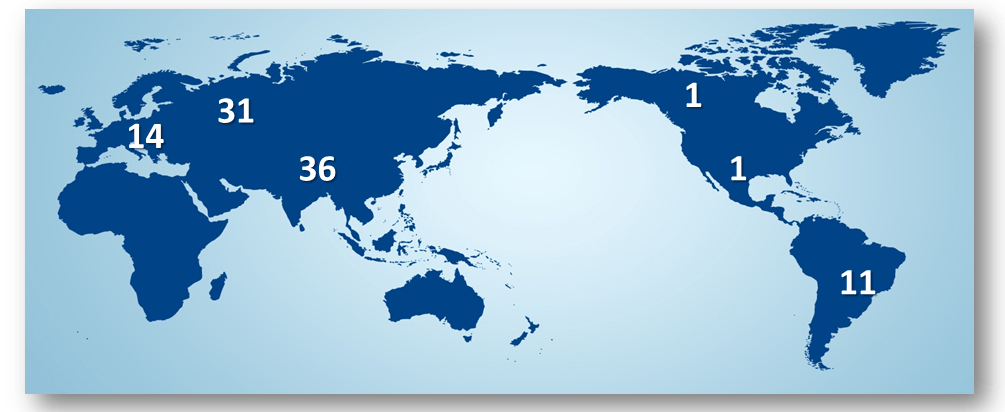
Shockwaves are special acoustics waves that can be targeted and focused non-invasively to a selected area inside the patient body.Shockwave therapy has been used in the last decades in Urology (kidney stone lithotripsy) and Orthopedics (plantar facilities) applications.A therapeutic effect is localized, precise (<2 mm precision) and control.
With improvement in cardiovascular care, there is a rapidly growing group of patients who remain severely disabled by symptoms of myocardial ischemia but yet not amenable to conventional revascularization therapy. ESMR is a shockwave therapy given to the area of ischemic myocardium which practically induces angiogenesis and hence improvement in myocardial perfusion and clinical symptoms.
About ESMR First In Maharashtra
Shockwaves Background
- Shockwaves are special acoustics waves that can be targeted and focused non-invasively to a selected area inside the patient body.
- Shock wave therapies have been used in the last decades in Nephrology (kidney stone lithotripsy), Orthopedics (plantar facilities) and Urology (erectile dysfunction) applications.
- ESMR is a non-invasive therapy that is safe and appears to be efficacious in the treatment of Refractory Angina Pectoris.
- Extracorporeal Shockwave Myocardial Revascularization (ESMR) may therefore be regarded as an effective noninvasive method of treatment for myocardial ischemia in end-stage CAD patients.
- Randomized, double-blind studies will represent the next milestone for further validation of the clinical effectiveness of ESMR therapy.
- The data from the current meta-analysis demonstrate that Extracorporeal Shockwave Myocardial Revascularization (ESMR) – improves symptoms – delays the ischemic threshold – increases exercise tolerance.
- No side effects were reported and no ESMR-related myocardial damage was observed.
Why ESMR?
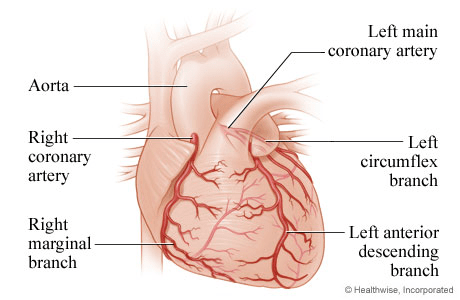
1. Occlusions in a small artery (< 2.5 mm) that cannot be treated with Anti Angina medication, Bypass or Angioplasty.
2. Large number of occluded small arteries ( 3. Chronic Total Occlusion (CTO) in one major coronary artery.
AIM
Treatment for patients no longer benefit from current revascularization methods
Inducing local Angiogenesis at myocardial ischemic areas using low Intensity, non invasive, focused shockwaves.
Extracorporeal Shockwave Myocardial Revascularization (ESMR)
- Stimulates formation of collateral blood vessels in ischemic heart tissue (myocardium)
- Enhances blood perfusion and restores cardiac function
- Reduces chest pain (angina)
Principle
Low-energy focused shock waves (energy density 0.09 mJ/mm2)
Focused and controlled by echocardiography
Released by ECG trigger (during the refractory phase of the cardiac cycle)
Heart Transplant Alternatives in Pune
Normally need a long wait for a donor’s heart for a heart transplant. The best heart transplant alternatives is ESMR treatment. ESMR means Extracorporeal Shockwave Myocardial Revascularisation. ESMR also called as Non-invasive cardiac Angiogenesis treatment.
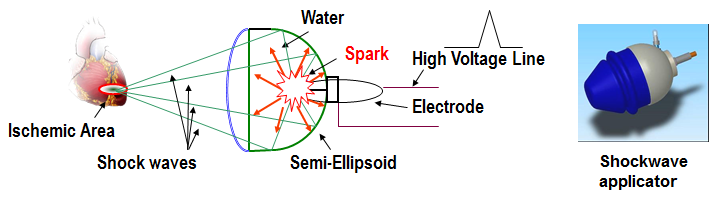
This shockwave therapy is similar to an Ultrasound wave with high intensity and short duration. By the underwater high voltage spark, the sound wave is produced, which is passed non-intensively, focused by a special ellipsoid reflector. Near the injured area with a water cushion, the reflector copulates to the patient’s skin. The distance from the focal plane into the patient’s body is adjusted according to the clinical requirements.
The high energy Xrays known as Radiotherapy is used to damage cancer cells and stop them from growing. To affect a limited number of cells the radiation is very carefully targeted such as any remaining cancerous cells and a very small portion of surrounding normal cells in order to minimize damage to normal tissues. The goal is to kill the diseased tissue and spare the normal ones. After completion of chemotherapy, the Radiation therapy is most commonly used. Radiation can be given as external beam( in which X rays come from radiation material outside the body) or in which radioactive material is directly placed in the breast in thin tubes (brachytherapy). External radiation therapy is more commonly used and is usually given for a period of 5-6 weeks for 5 days per week. An additional boost is given at the end of the therapy that is focused on the primary site of a tumor.
Cell-based therapies including cell transplantation and myocardial grafting are new and emerging alternatives to heart transplantation currently under development. Individual cells that are force generating or can be induced to generate force can be delivered to injured hearts. These cells can also be engineered into sheets with biomaterial support to graft to defect myocardium. To achieve therapeutic effects, a large supply of cardiac lineage-committed cells is essential since up to millions of cardiomyocytes may be damaged by myocardial infarction. The recent identification of cardiac stem cells has offered new hope of developing novel approaches to stimulate cardiac regeneration.
Testimonial
 Ketan Desale
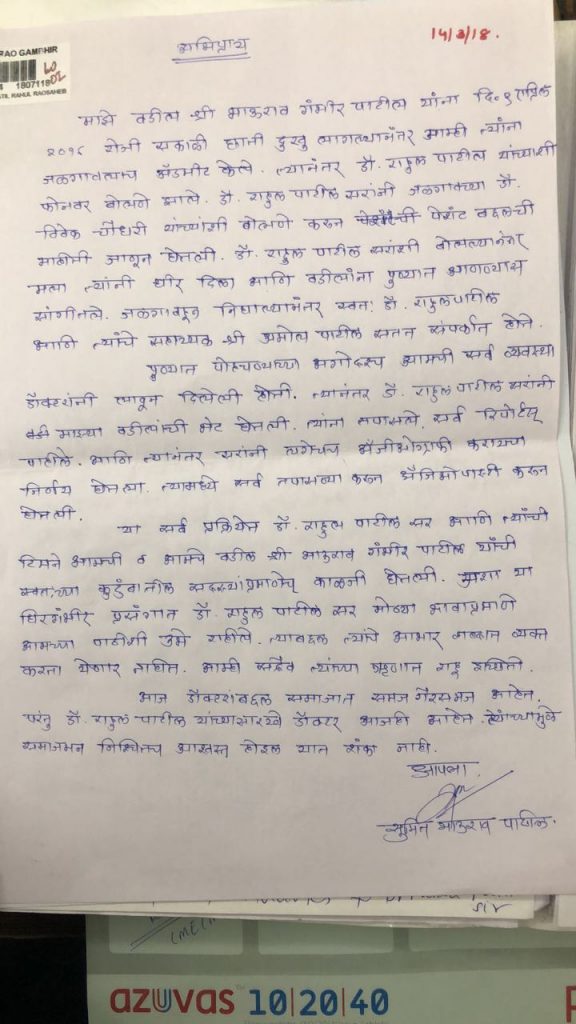
Dr. Rahul Patil Sir is excellent. Dr.Patil and his staff took care of all of the details and was always available to answer our questions and help in any way. He cared about us as if we were his only patient. My father is doing good. Thank You and Best Wishes to Dr. Patil and staff.
Laxmi DhuriyaThanks Dr. Rahul Patil Sir My mother and father underwent anigiyoplasty by Dr Rahul sir and today my parents are very good and fit n fine thank you sir. my family is very happy today with the you and your treatment. You have saved my parents life You the best cardiologist. ??
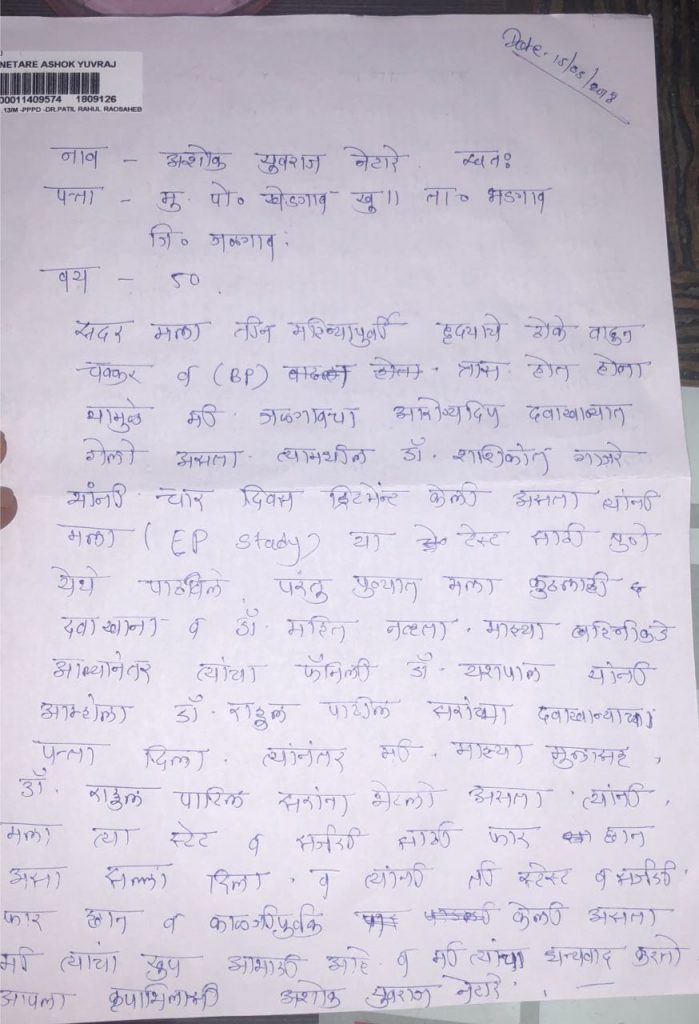
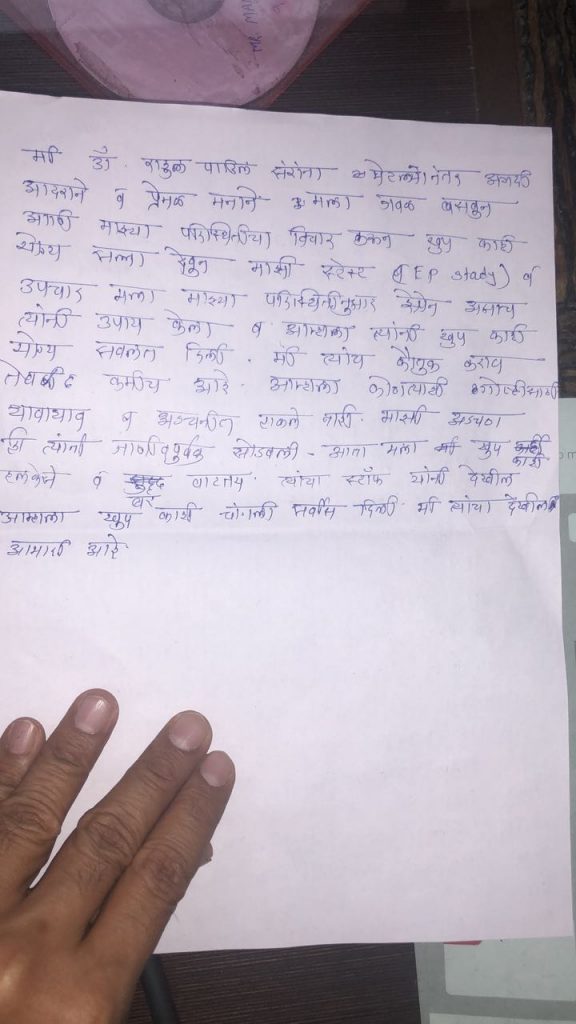
Deepak BarskarHi.. I would like to share my experience about ESMR therapy done by Dr. Rahul Patil sir. ESMR is done for my father. His age is 67. He was suffering from angina and from the initial check up and treatment other dr suggested for Bypass surgery. We were not ready for Bypass surgery as my father has blockage in three major vessels detected in angiography , however there was no there options .. So we came to dr Rahul Patil sir for second opinion before going for bypass surgery.. Then after check up dr Rahul Patil suggested a new therapy which is ESMR.. Initially we were not aware about ESMR, I have discussed this with one of my friend and he suggested it is good..he has done for his father.. Once we started this therapy.. in first sitting itself we got relief from chest pain and angina.. Now its third sitting.. My father is having good improvement in his health.. Thanks to Dr Rahul Patil sir..
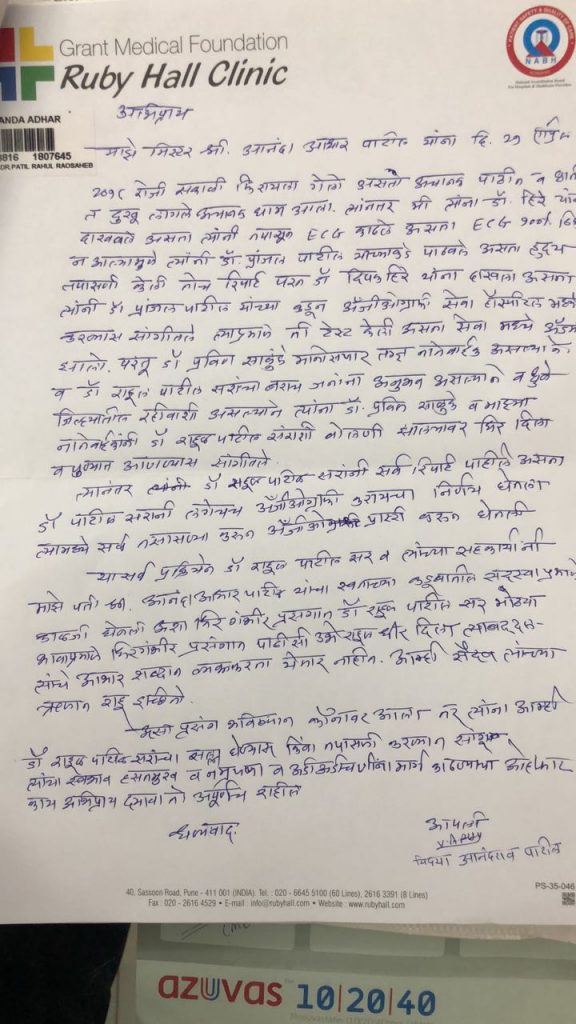
Atmaram PatilWords are less to describe about this very kind and genuine,and generous doctor,he had saved my life like a vighnaharta,i had chest pain in 2010 while I was working my family sensed that I’m not well so they took me to local area hospital where my initial checkup was done and suggested me to go to higher centre somehow we came to know about dr Rahul Patil soon contacted him and admitted in ruby hall clinic after all the discussion as what had happened to me and what will be the further line of treatment ,my plasty was done with radial approach and on the very second day I got discharged,the happiness of getting discharge so soon after the plasty it was a magic for me as I used to believe that after plasty patient stays in hospitals for 4_5 days ,but with the proper counseling and guidance I was discharge from the hospital with a smile on a face and blessings in my heart for this youngest cardiologist of Pune,he is a angel send on earth by God to serve the mankind Thank you dr Rahul Patil Keep it up with all the good deeds and good work
Review of Literature
Cardiospec Compendium
Cardiospec multi center
Asian Cardiospec multicenter study, 2014 Mayo clinic
Media